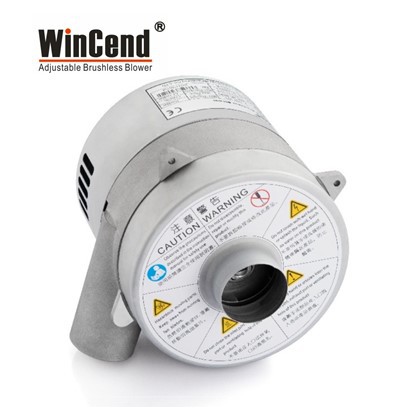
Hey there! As a supplier of Brushless Speed-regulating Blower, I've gotten tons of questions about how to adjust the speed of these blowers. So, I thought I'd put together this blog to share some tips and tricks that'll help you get the most out of your blower.
Understanding the Basics of Brushless Speed-regulating Blowers
Before we dive into the speed adjustment process, let's quickly go over what a brushless speed-regulating blower is. These blowers are a type of Brushless Fan that use electronic speed control to adjust the speed of the motor. Unlike traditional blowers with brushes, brushless blowers are more efficient, have a longer lifespan, and offer better speed control.
The speed of a brushless speed-regulating blower is typically controlled by a controller or a variable frequency drive (VFD). The controller sends a signal to the motor, telling it how fast to spin. By adjusting this signal, you can change the speed of the blower.
Methods to Adjust the Speed
1. Using a Controller
Most brushless speed-regulating blowers come with a dedicated controller. This controller is usually a small device with a control panel that allows you to adjust the speed. Here's how you can use it:
- Power on the blower and the controller: Make sure both the blower and the controller are properly connected and powered on. You'll usually see some indicator lights on the controller to show that it's working.
- Set the initial speed: On the controller, there's usually a dial, a button, or a digital display that you can use to set the speed. Start by setting it to a low speed and gradually increase it as needed. For example, if you're using the blower for ventilation in a small room, you might start with a speed of 30% and then adjust it based on how much air you need.
- Fine-tune the speed: Once you've set the initial speed, you can fine-tune it to get the exact airflow you want. Some controllers allow you to adjust the speed in small increments, like 1% or 5%. This gives you a lot of control over the blower's performance.
2. Using a Variable Frequency Drive (VFD)
A Brushless Frequency Converter Blower often uses a VFD to control the speed. A VFD works by changing the frequency of the electrical power supplied to the motor. Here's how to use a VFD to adjust the speed:
- Install the VFD: First, you need to install the VFD between the power source and the blower. Make sure you follow the manufacturer's instructions carefully to ensure proper installation.
- Program the VFD: Once the VFD is installed, you'll need to program it to control the speed of the blower. This usually involves setting parameters such as the maximum and minimum speed, the acceleration and deceleration time, and the operating frequency. You can usually do this using the VFD's control panel or a computer interface.
- Adjust the speed: After programming the VFD, you can adjust the speed of the blower by changing the frequency setting on the VFD. Increasing the frequency will increase the speed of the blower, while decreasing the frequency will slow it down.
Factors to Consider When Adjusting the Speed
- Airflow requirements: The first thing you need to consider is how much airflow you need. If you're using the blower for cooling, you'll need to make sure it's providing enough air to keep the equipment at a safe temperature. On the other hand, if you're using it for ventilation, you'll need to adjust the speed based on the size of the room and the amount of fresh air you need.
- Noise level: Higher speeds usually mean more noise. If you're using the blower in a quiet environment, you might want to keep the speed low to minimize the noise. Some blowers are designed to be quieter at certain speeds, so you might want to look for a blower with a low-noise design if noise is a concern.
- Energy consumption: Running the blower at a higher speed will consume more energy. If you're trying to save energy, you might want to adjust the speed to the lowest level that still meets your airflow requirements.
Troubleshooting Speed Adjustment Issues
Sometimes, you might run into issues when trying to adjust the speed of your brushless speed-regulating blower. Here are some common problems and how to fix them:
- No speed adjustment: If you're not able to adjust the speed at all, check the connections between the blower, the controller, and the power source. Make sure everything is properly connected and there are no loose wires. You might also want to check the controller settings to make sure they're correct.
- Inconsistent speed: If the speed of the blower is inconsistent, it could be due to a problem with the controller or the motor. Try resetting the controller to its default settings and see if that fixes the problem. If not, you might need to contact the manufacturer for further assistance.
- Overheating: If the blower is overheating, it could be because it's running at too high a speed for too long. Try reducing the speed and see if the temperature goes down. You might also want to check the ventilation around the blower to make sure it's getting enough air.
Conclusion
Adjusting the speed of a brushless speed-regulating blower is not as complicated as it might seem. By understanding the basics of how these blowers work and following the methods and tips I've shared in this blog, you should be able to adjust the speed to meet your specific needs.
If you're in the market for a high-quality brushless speed-regulating blower or have any questions about speed adjustment, feel free to reach out to us. We're here to help you find the right blower for your application and provide you with all the support you need.


References
- Manufacturer's manuals for brushless speed-regulating blowers
- Technical articles on brushless fan technology