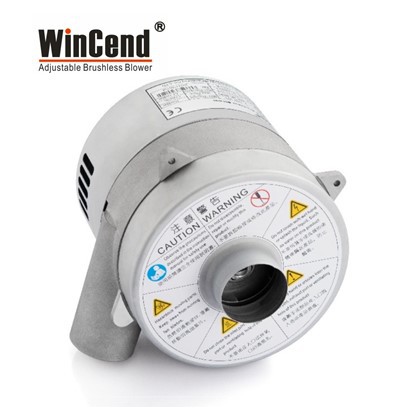
As a supplier specializing in high - pressure Fans, ensuring that our customers can operate these fans safely and efficiently is of utmost importance. high - pressure Fans play a crucial role in various industrial and commercial applications, such as ventilation systems, dust collection, and pneumatic conveying. In this blog post, I will share some key guidelines on how to operate a high - pressure Fan in a safe and efficient way.
Pre - operation Checks
Before starting the high - pressure Fan, a series of pre - operation checks must be carried out. First, visually inspect the fan. Check for any signs of physical damage to the fan housing, blades, or the drive belt itself. A damaged blade can cause imbalance, leading to excessive vibration and potential mechanical failures.
Next, ensure that the electrical connections are secure. Loose electrical connections can lead to arcing, overheating, and even electrical fires. Check the motor wiring for any signs of fraying or damage. Make sure that the power supply matches the voltage requirements of the fan motor. Additionally, verify that the control panel is functioning properly. The control panel should be free of any error messages, and all switches and indicators should be in the correct position.
It is also essential to inspect the air intake and outlet ducts. The intake duct should be free of debris, such as dust, leaves, or small objects. Any blockage in the intake duct can reduce the airflow, causing the fan to work harder and potentially overheat. On the other hand, the outlet duct should be properly connected and unobstructed. Ensure that dampers, if installed, are in the correct position for the desired airflow.
Starting the Fan
Once the pre - operation checks are completed, it is time to start the Fan. Start the fan in accordance with the manufacturer's instructions. Some fans may require a specific sequence of operations, such as starting the motor at a low speed and gradually increasing it to the operating speed. This slow start helps to reduce the initial load on the motor and the drive belt, extending their service life.
During the startup process, closely monitor the fan. Listen for any abnormal noises, such as rattling, grinding, or screeching. Unusual noises can indicate a mechanical problem, such as a loose part or misaligned belt. At the same time, observe the vibration level of the fan. Excessive vibration can cause damage to the fan components and the mounting structure. If you notice any abnormal noises or excessive vibration, immediately stop the fan and investigate the cause.
Operating the Fan
When the Fan is in operation, maintain a proper operating environment. Keep the area around the fan clean and free of debris. This helps to prevent objects from being drawn into the fan, which could cause damage. Ensure that the ambient temperature is within the recommended range for the fan operation. High temperatures can affect the performance of the motor and the drive belt, reducing their efficiency and lifespan.
Regularly monitor the key operating parameters of the fan, such as the airflow rate, pressure, and motor current. The airflow rate can be measured using an airflow meter, and the pressure can be measured with a pressure gauge. Compare these values with the design specifications of the fan. If the airflow rate or pressure deviates significantly from the normal values, it may indicate a problem, such as a clogged filter or a damaged blade. Similarly, monitoring the motor current can help detect any abnormal load on the motor. An increase in motor current may suggest that the fan is working harder than normal, which could be due to a blockage or mechanical issue.
Adjust the fan speed as needed. Some Fans are equipped with speed - regulating devices. By adjusting the fan speed, you can optimize the airflow and pressure according to the specific requirements of your application. For example, in a ventilation system, you may need to increase the fan speed during peak occupancy to ensure adequate air exchange, and reduce the speed during off - peak hours to save energy.
Maintenance
Regular maintenance is crucial for the safe and efficient operation of the High - pressure Fan. One of the most important maintenance tasks is the inspection and replacement . Lubricate the bearings of the fan according to the manufacturer's recommendations. Proper lubrication reduces friction and wear, extending the service life of the bearings. However, over - lubrication can also cause problems, such as attracting dust and debris, so it is important to follow the correct lubrication procedure.


Clean the fan blades and the interior of the fan housing regularly. Dust and debris can accumulate on the blades, causing imbalance and reducing the fan's efficiency. Use a soft brush or compressed air to clean the blades gently. For the fan housing, wipe it down with a clean cloth to remove any dirt or grime.
Inspect the electrical components periodically. Check the wiring for any signs of damage or corrosion, and replace any faulty components immediately. This helps to prevent electrical failures and ensures the safe operation of the fan.
Safety Precautions
Safety should always be the top priority when operating a Drive - belt High - pressure Fan. Always wear appropriate personal protective equipment (PPE), such as safety glasses, gloves, and ear protection. Safety glasses protect your eyes from flying debris, while gloves can prevent cuts and abrasions when handling the fan components. Ear protection is necessary because the fan can generate high - level noise during operation.
Do not attempt to make any adjustments or repairs to the fan while it is in operation. This can be extremely dangerous and may result in serious injury. Always turn off the power supply and lock out the electrical panel before performing any maintenance or repair work.
In case of an emergency, such as a fire or a sudden mechanical failure, know the location of the emergency stop button and how to use it. The emergency stop button should be easily accessible and clearly marked.
Conclusion
Operating a Drive - belt High - pressure Fan in a safe and efficient way requires careful pre - operation checks, proper startup procedures, regular monitoring during operation, and consistent maintenance. By following these guidelines, you can ensure that your fan operates at its optimal performance, reducing the risk of breakdowns and extending its service life.
If you are in the market for a high - quality Drive - belt High - pressure Fan, or if you have any questions about the operation and maintenance of these fans, we are here to help. Our company offers a wide range of high - pressure fans, including Integrated High - pressure Blower, High Negative Pressure Blower, Drive - belt High - pressure Fan, High - flow High - pressure Blower, and High Pressure Speed Regulating Blower. Contact us today to discuss your specific requirements and start a procurement negotiation.
References
- Manufacturer's manuals for Drive - belt High - pressure Fans.
- Industry standards and guidelines for fan operation and maintenance.